
Tirzepatide vs. Semaglutide: Comparing the Two Leading GLP-1 Weight Loss Medications
Tirzepatide and semaglutide are the two most effective weight loss medications available. This guide compares how they work, results from clinical trials, side effects, dosing, and how to choose.
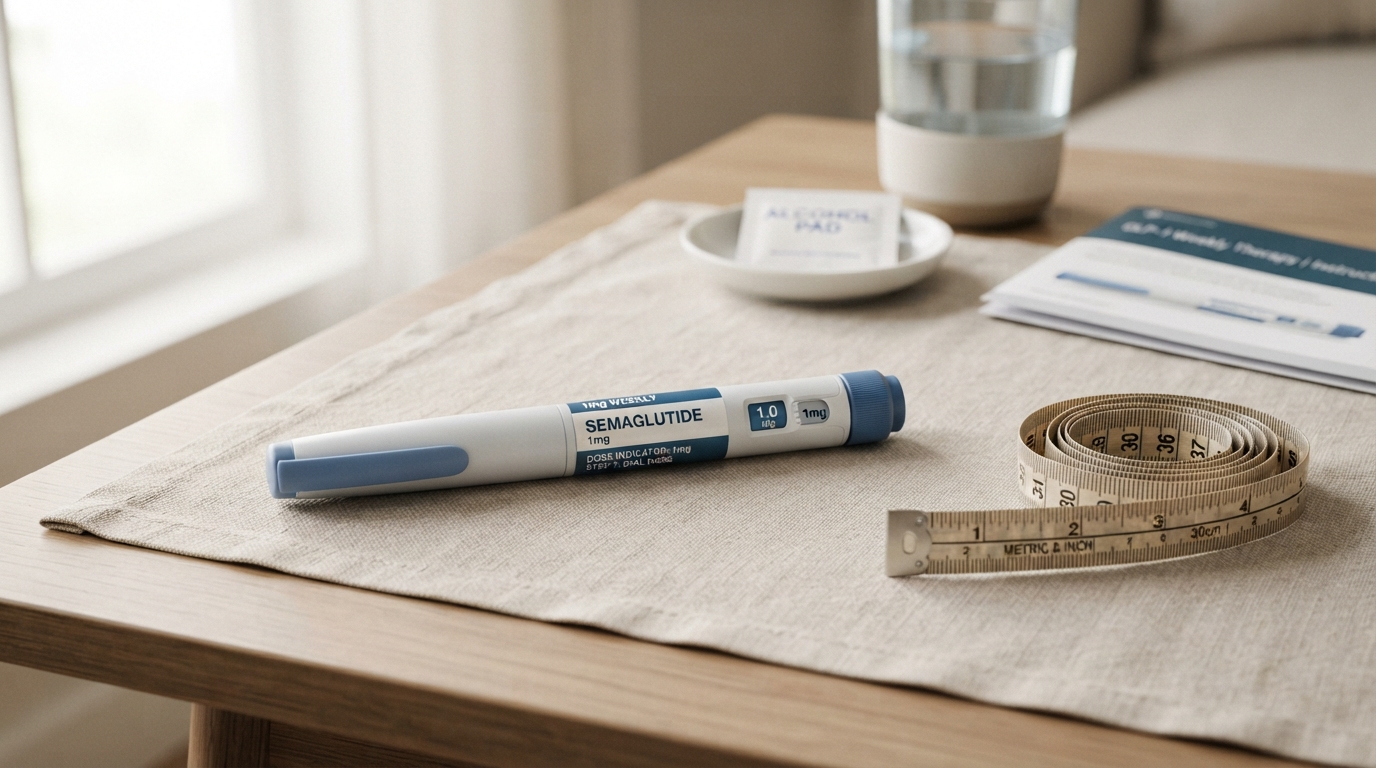
Semaglutide and tirzepatide are the two medications most responsible for reshaping how clinicians approach obesity. Both are injectable, both are taken weekly, and both produce weight loss that was almost unimaginable a decade ago. But they are not the same drug, and the differences matter when deciding which one may be right for you. This article compares the evidence head-to-head.
This article is educational and is not medical advice. Semaglutide and tirzepatide should only be prescribed by a licensed healthcare professional after an appropriate evaluation. Individual results vary.
How Each Medication Works
Both drugs belong to the incretin family—hormones your gut releases after eating—but they target slightly different receptors.1
- Semaglutide (Wegovy, Ozempic): A single-receptor agonist that targets the GLP-1 receptor. It slows gastric emptying, reduces appetite, and improves blood sugar control.
- Tirzepatide (Zepbound, Mounjaro): A dual agonist that targets both the GLP-1 receptor and the GIP (glucose-dependent insulinotropic polypeptide) receptor. The added GIP activity is thought to enhance fat metabolism and improve insulin sensitivity beyond what GLP-1 alone achieves.2
In simple terms: semaglutide works on one pathway that controls fullness; tirzepatide works on two. That extra pathway is the leading theory for why tirzepatide has produced greater weight loss in head-to-head comparisons.
What the Clinical Trials Show
The landmark trials for each drug set the benchmark for what to expect:
- Semaglutide (STEP 1): At 2.4 mg weekly, participants lost an average of about 14.9% of body weight over 68 weeks versus 2.4% on placebo.3
- Tirzepatide (SURMOUNT-1): At the top dose of 15 mg weekly, participants lost an average of about 20.9% of body weight over 72 weeks versus 3.1% on placebo.4
These are different trials with different populations, so direct comparison has limits. But the SURMOUNT program consistently showed tirzepatide producing meaningfully greater weight loss than semaglutide achieved in its own trials. A 2024 retrospective real-world study comparing the two directly also favored tirzepatide for total weight loss, though individual response varied widely.5
Side Effects: Similar, Not Identical
Both medications share a gastrointestinal side-effect profile: nausea, diarrhea, vomiting, constipation, and abdominal discomfort, usually worst during dose escalation and often improving over time.3,4 Tirzepatide's dual mechanism does not appear to add a distinct category of side effects, but some patients report tolerating one better than the other for reasons that aren't fully predictable.
Both carry the same serious-but-rare warnings: gallbladder issues, pancreatitis, and—in animal studies—a risk of certain thyroid tumors that has prompted a boxed warning for medullary thyroid carcinoma. Neither is used in pregnancy or in people with a personal/family history of those thyroid cancers.1
Dosing and Titration
Both drugs follow a gradual titration schedule—starting low and increasing every few weeks—to improve tolerability.
- Semaglutide: Typically 0.25 mg → 0.5 mg → 1 mg → 1.7 mg → 2.4 mg weekly.
- Tirzepatide: Typically 2.5 mg → 5 mg → 7.5 mg → 10 mg → 12.5 mg → 15 mg weekly.
The slower ramp is one reason side effects often settle: the body adapts at each step before the next increase.
Cost and Access
Branded Wegovy and Zepbound are expensive, and insurance coverage is inconsistent—particularly for the weight-loss indication versus diabetes. Compounded versions of both have been available through some telehealth platforms at lower cost, though the FDA's regulatory stance on compounded GLP-1s has shifted and availability changes. Always confirm any compounded medication comes from a licensed pharmacy.6
How to Choose
The decision between semaglutide and tirzepatide is clinical, not cosmetic. Factors a provider weighs include:
- How much weight loss is clinically indicated (tirzepatide's ceiling is higher).
- Tolerability—some patients simply do better on one than the other.
- Cost and coverage.
- Medical history, including any contraindications.
Neither is universally "better." The better drug is the one a licensed clinician determines is appropriate for you after a real evaluation.
The Bottom Line
Semaglutide and tirzepatide are both genuinely effective, and tirzepatide has shown greater weight loss in trials. But the right choice depends on your history, tolerance, and goals—not on a headline. Probably fine. Better to know which one fits you.
Sources & Citations
- U.S. Food and Drug Administration. Prescribing Information for Wegovy (semaglutide) and Zepbound (tirzepatide).
- Jastreboff AM, et al. Tirzepatide Once Weekly for the Treatment of Obesity (SURMOUNT-1). New England Journal of Medicine, 2022.
- Wilding JPH, et al. Once-Weekly Semaglutide in Adults with Overweight or Obesity (STEP 1). New England Journal of Medicine, 2021.
- Garvey WT, et al. Two-Year Effects of Tirzepatide on Weight (SURMOUNT-5). New England Journal of Medicine, 2025.
- Arterburn DE, et al. Comparative Effectiveness of Tirzepatide vs Semaglutide for Weight Loss. JAMA Internal Medicine, 2024.
- U.S. Food and Drug Administration. Compounded GLP-1 Drugs: Safety and Compliance Statements.
About the PRBLY Medical Team
PRBLY's editorial content is reviewed by licensed healthcare professionals to ensure medical accuracy, clarity, and balance. Our team breaks down treatments, medications, and health topics in plain language so you can understand your options and make more informed decisions.
This article is for general educational purposes only and does not constitute medical advice, diagnosis, or treatment. Always consult a qualified healthcare provider about your specific situation.