
Marketing Weight Loss Clinics in the GLP-1 Era: How to Stand Out When Everyone Is Selling the Same Molecule
Semaglutide and tirzepatide made weight loss a commodity conversation. The clinics that win are differentiated by trust, intake, and follow-up — not by the compound.
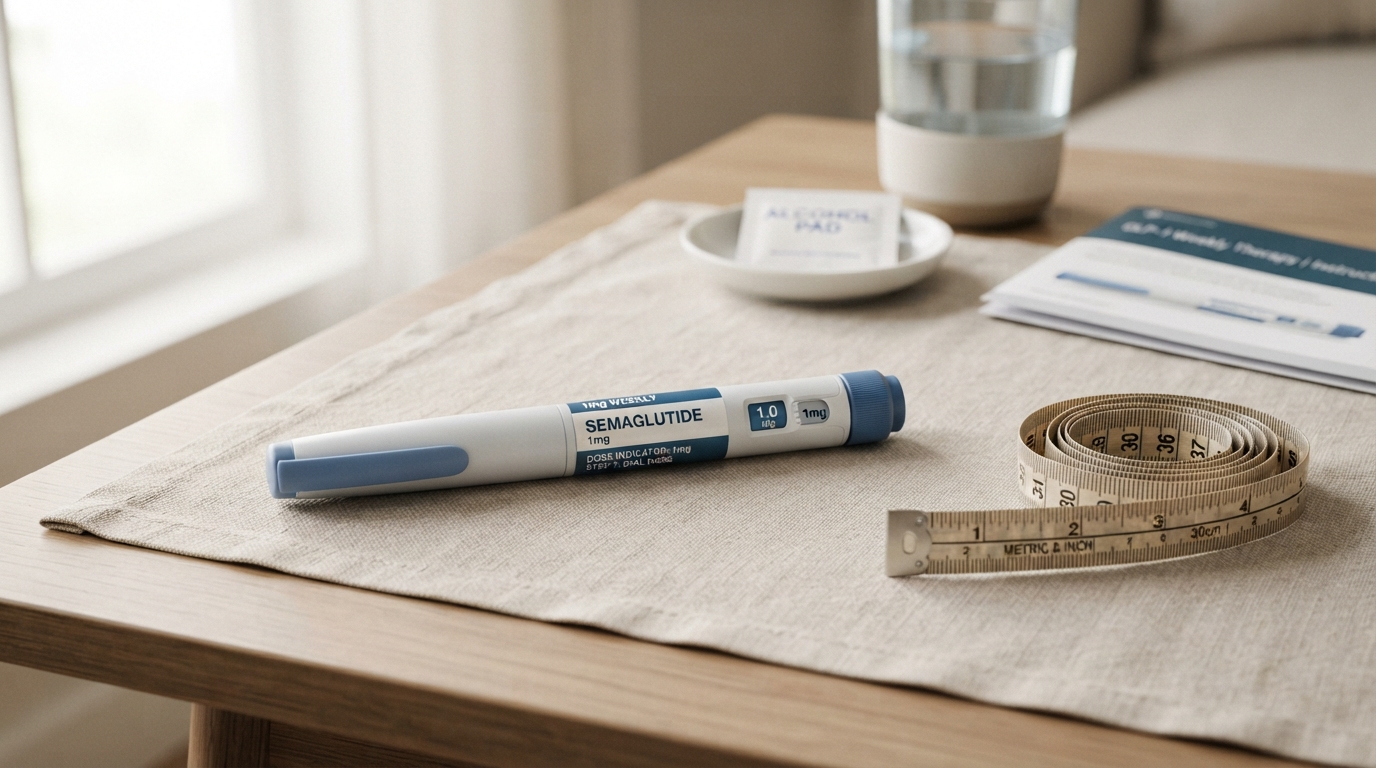
The GLP-1 era changed weight-loss marketing overnight. When every telehealth platform offers semaglutide or tirzepatide, the molecule stops being the differentiator — and the experience around it becomes everything. The clinics winning market share right now are not the ones with the cheapest compound. They are the ones patients can find, trust, and actually finish an intake with.
This article is for marketing-strategy education and is not medical advice. Prescription weight-loss medications should only be prescribed by a licensed clinician after appropriate evaluation. Advertising of prescription therapies is subject to FDA, FTC, and platform policies.
The Commoditization Problem
When a category commoditizes, two things happen: acquisition costs rise (everyone bids on the same keywords) and loyalty falls (patients chase price). The defense against both is the same: build a brand and experience that the molecule cannot replicate. Trust, education, and a frictionless journey are not generic — they are the moat.
Visibility: Win the Questions, Not Just the Keywords
Weight-loss search is dominated by questions: "is semaglutide safe," "tirzepatide vs. semaglutide," "how much weight will I lose," "what are the side effects." The clinics that rank for these questions — with clinician-reviewed, cited content — capture patients at the research stage, before they are comparison-shopping on price.1
This is also where E-E-A-T pays off directly. Health and medical content is held to Google's highest quality standard, and pages that demonstrate expertise (clinician bylines, primary-source citations, clear disclaimers) rank and convert better than thin, promotional pages.2
Trust: The Conversion Bottleneck
A weight-loss patient is making two commitments at once: a financial one and a medical one. They are deciding whether to share health history and pay for an ongoing prescription based on a website. Trust signals — clinician review notes, transparent pricing, real reviews, clear privacy practices — are not decoration. They are the difference between a booked consultation and a bounce.
The Intake: Where Most Clinics Lose
Weight-loss intakes are notoriously long, because the clinical screening is real. But a single sprawling form kills conversion on mobile, where most of this traffic lives. The fix is staging: capture contact and consent first, then gather clinical detail in a guided, mobile-optimized flow with progress and reassurance. You keep the motivated patients and still collect what the clinician needs.
Follow-Up: Recover the 95%
The uncomfortable math of weight-loss marketing: the large majority of interested visitors do not book on the first visit. Compliant, consent-based nurture — educational sequences that answer objections and invite booking — recovers a meaningful share. Because this is healthcare communication, consent and HIPAA compliance are not optional, and the tooling has to handle them natively rather than as an afterthought.3
Retention: Refills Are the Business
GLP-1 therapy is monthly, ongoing, and dose-titrated. A clinic with no automated refill reminders, no reordering flow, and no re-engagement for lapsed patients is treating a recurring-revenue product like a one-time sale. Retention is the highest-margin channel in weight loss, and it is the one clinics most often ignore.
Why One Ecosystem Beats a Stack of Tools
The operational reality: most weight-loss clinics run on a tangle of disconnected tools, and every seam is a place for data to leak, compliance to break, and the patient journey to fragment. A single HIPAA-compliant ecosystem — website, intake, follow-up, scheduling, ads, analytics — is what lets a clinic scale without the back office collapsing under regulation.
That is what PRBLY provides for providers: a marketing ecosystem purpose-built for peptide and health brands, with HIPAA-compliant infrastructure, conversion-focused web design, lead funnels, ad management, and the educational content engine that drives visibility and trust in one place. Probably fine is where most weight-loss clinics stop. The ones that grow don't.
The Bottom Line
In a commoditized molecule market, the differentiator is the experience: findable, trustworthy, easy to start, and easy to stay. Build that on compliant infrastructure, and growth compounds instead of stalls. Probably fine. Not good enough.
Sources & Citations
- Google. Search Quality Evaluator Guidelines; health and medical content standards. Google Search Central.
- Google. E-E-A-T and the quality of medical content. Google Search Central documentation.
- U.S. Department of Health and Human Services. HIPAA Privacy and Security Rules. HHS.gov.
About the PRBLY Medical Team
PRBLY's editorial content is reviewed by licensed healthcare professionals to ensure medical accuracy, clarity, and balance. Our team breaks down treatments, medications, and health topics in plain language so you can understand your options and make more informed decisions.
This article is for general educational purposes only and does not constitute medical advice, diagnosis, or treatment. Always consult a qualified healthcare provider about your specific situation.